11 August 2026
Can a landlord require a tenant to vacate for repairs?
How should a tenant’s right to quiet enjoyment be balanced with a landlord’s repairing obligation? This was the question that the High Court had to consider in MSA Properties Ltd v The Drapery Northampton Ltd 2026.
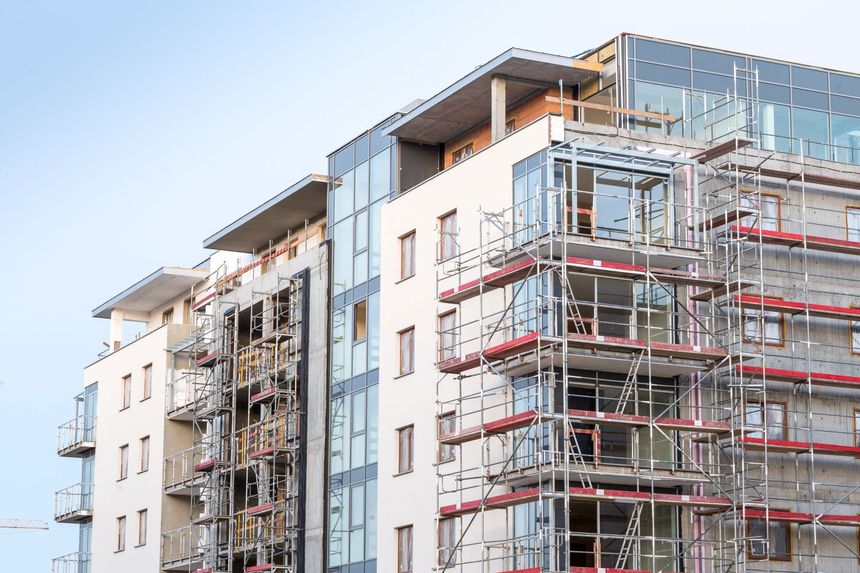
A dispute had arisen after part of a loading bay ceiling collapsed in a mixed-use building in Northampton, revealing serious structural defects in the joists supporting flats above. Although both parties agreed repairs were necessary, they disagreed on how those repairs should be undertaken. The landlord contended that the joists required replacement and that the safest method required access from above, meaning residents would need to vacate the flats temporarily. The tenant argued that repairs could be undertaken from below, avoiding the need to disturb occupiers. It said that a landlord cannot reasonably choose a repair method that requires a tenant to vacate where there is an alternative method of repair.
The court disagreed, rejecting the suggestion that a landlord must always choose the least disruptive repair option. Instead, where more than one method of repair is available, the landlord is generally entitled to choose its preferred method, provided that choice is reasonable in the circumstances. In this case, the court found that the landlord’s preferred approach was supported by detailed expert evidence demonstrating that undertaking the works from above was significantly safer and more consistent with modern construction and risk-management practices. While a repair-from-below option theoretically existed, it involved materially greater risks to occupiers, contractors and other users of the building.
Having determined that replacement from above was the reasonable method, the court concluded that the tenant could not rely on its quiet enjoyment rights to prevent the works. It noted that the lease reserved a generous right of entry in favour of the landlord. The landlord was granted temporary exclusive possession of the affected flats to carry out the repairs, albeit for a shorter period than originally sought.
As ever, these cases turn on their facts. The decision is nevertheless a useful reminder that quiet enjoyment is not an absolute right and does not give a tenant a veto over repair works. Reasonableness remains the governing principle and will depend on factors such as the wording of the lease, the extent of the disrepair, health and safety considerations, the availability of alternative repair methods and the impact on occupiers. In this particular case, the landlord also put forward comprehensive and robust evidence which was compelling to justify its preferred method of repair.
Subscribe to our latest insights by topic here.
 Rosalind Cullis
Partner, Real Estate Disputes
Rosalind Cullis
Partner, Real Estate Disputes