15 April 2026
It’s just a Lidl licensing issue…
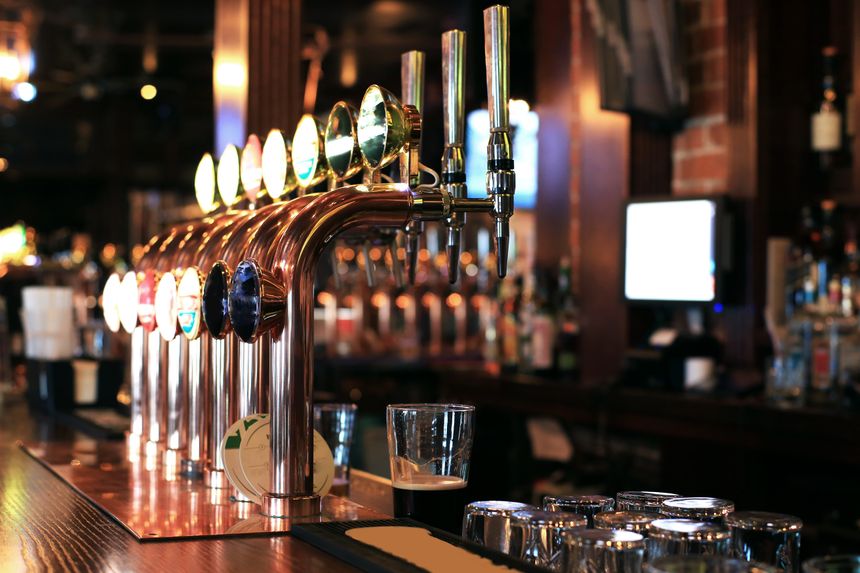
Lidl’s latest venture isn’t just in craft beer, it’s in regulatory navigation. After finding itself unable to sell alcohol from a new Northern Ireland store due to tightly controlled licensing regimes, the supermarket opted for a workaround: applying for a pub license next door with associated off-sales, rather than a standard supermarket off-licence.
Legally, the situation hasn’t been plain sailing. The move was challenged in the High Court by rival retailers, who argued that Lidl was exploiting a loophole. The Judge dismissed the case, ruling that innovation in licensing applications was not, in itself, grounds for refusal. Where off-sales were unavailable, on-sales provided Lidl with a lawful alternative. This case is a reminder of how licensing can shape not just trading hours or premises conditions, but can generate entirely new business models.
Construction of the Lidl pub is now in full swing, and it is expected to open its doors in the summer of 2026. The premises will serve a variety of products from Lidl’s own range of beers, wines and spirits, alongside other beverages that promote local suppliers.
While in England the Licensing Act 2003 offers a more flexible framework than its Northern Ireland counterpart, discretion still sits heavily with the local authorities. Off-license conditions, cumulative impact zones, restricted hours and public health objections can all significantly constrain supermarket sales, which may lead to innovative solutions by retailers.
Lidl’s pub illustrates a familiar lesson: regulation shapes retail behaviour. Restriction does not necessarily reduce availability, it often just redirects it. When the law closes one door, businesses will look for another – usually one with a bar.
Subscribe to our latest insights by topic here.
 Charis Almond
Associate, Real estate disputes
Charis Almond
Associate, Real estate disputes